Temporal Processing and the Experience of Déjà Vu
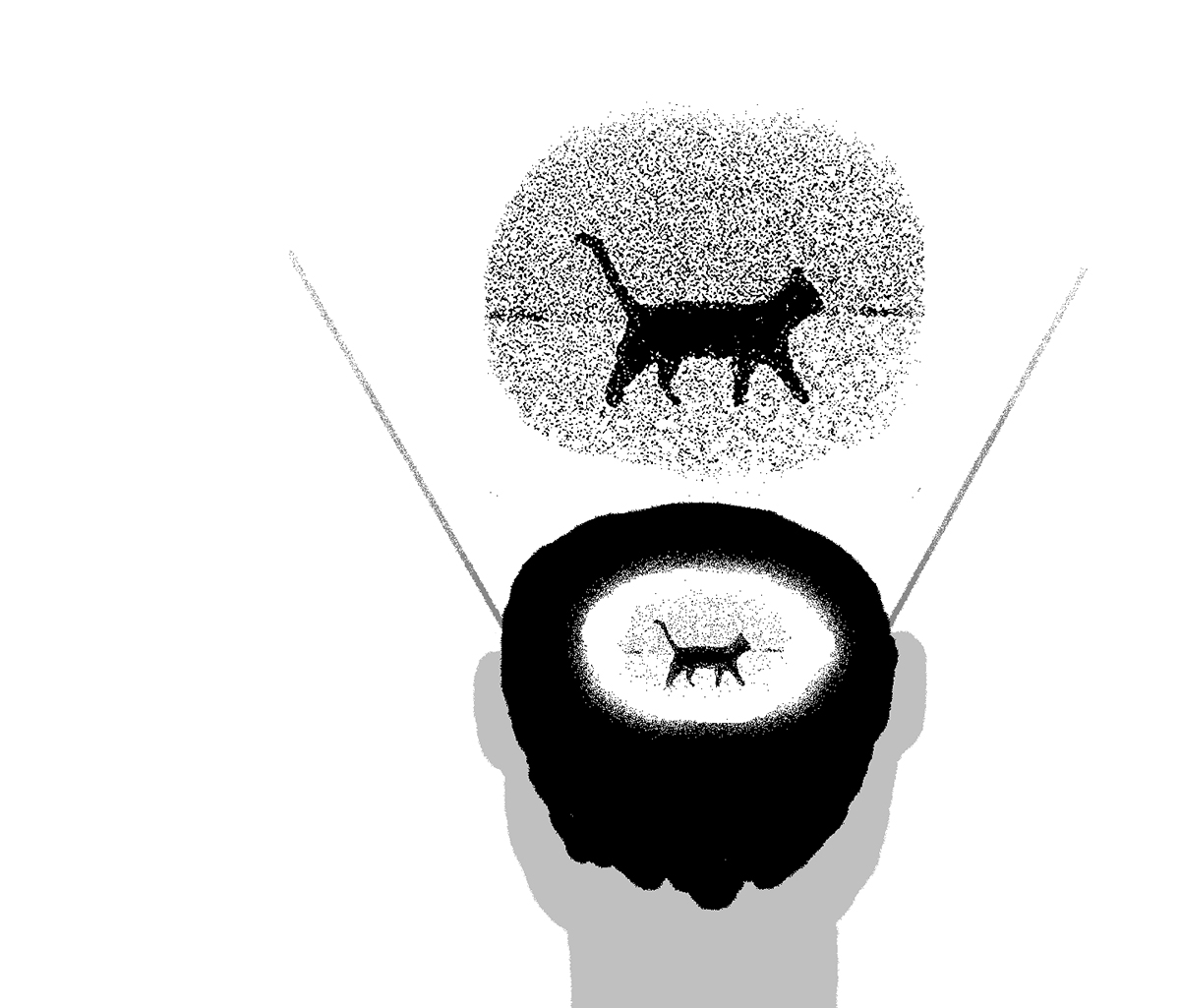
Temporal processing plays a significant role in the experience of déjà vu . The temporal lobes, particularly the entorhinal cortices (EC), are involved in visual memories and processing sensory input. These regions are thought to be prime suspects for housing déjà vu experiences. Here is a detailed explanation: Temporal Lobe Function The temporal lobes are responsible for processing and storing visual and auditory information. They are also involved in spatial memory and memory consolidation. The EC, located in the medial temporal lobe, plays a crucial role in spatial memory and memory consolidation. Déjà Vu and Temporal Processing Déjà vu is often associated with the temporal lobes, particularly the EC. Stimulation of these regions can produce déjà vu-like experiences. The EC is thought to be involved in the processing of familiar experiences, which can lead to the sensation of déjà vu. Neural Mechanisms The neural mechanisms underlying déjà vu are still not fully understood. However...